


The Democrats will lead both the House of Representatives and the Senate next year[1], with Hakeem Jeffries likely the Speaker[2] and Chuck Schumer Senate Majority Leader[3]. There will be some significant changes and some significant returns to form after Tuesday’s mid-term elections. Here is what I’m tracking.
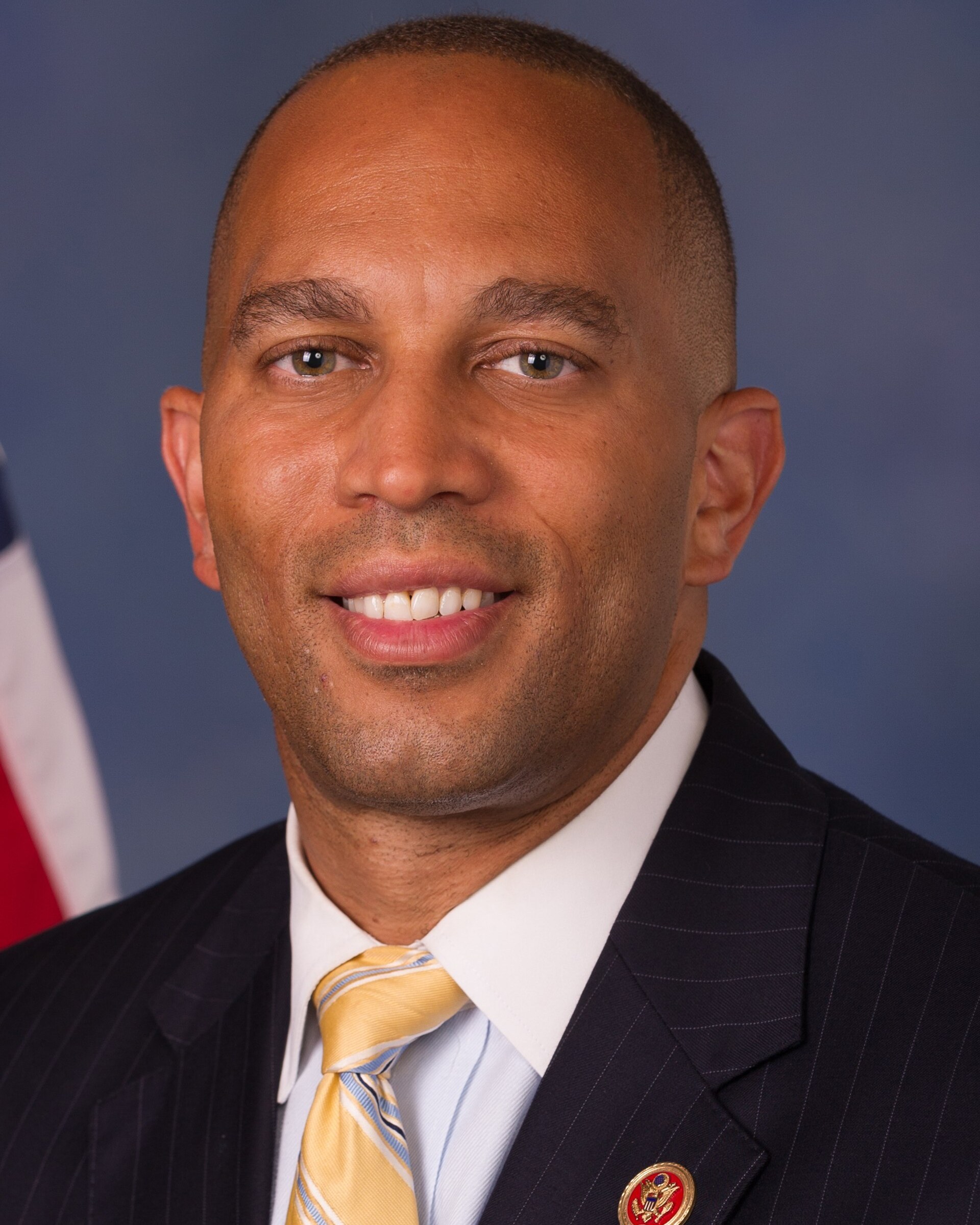
Hakeem Jeffries (D-NY)
Likely Speaker of the House
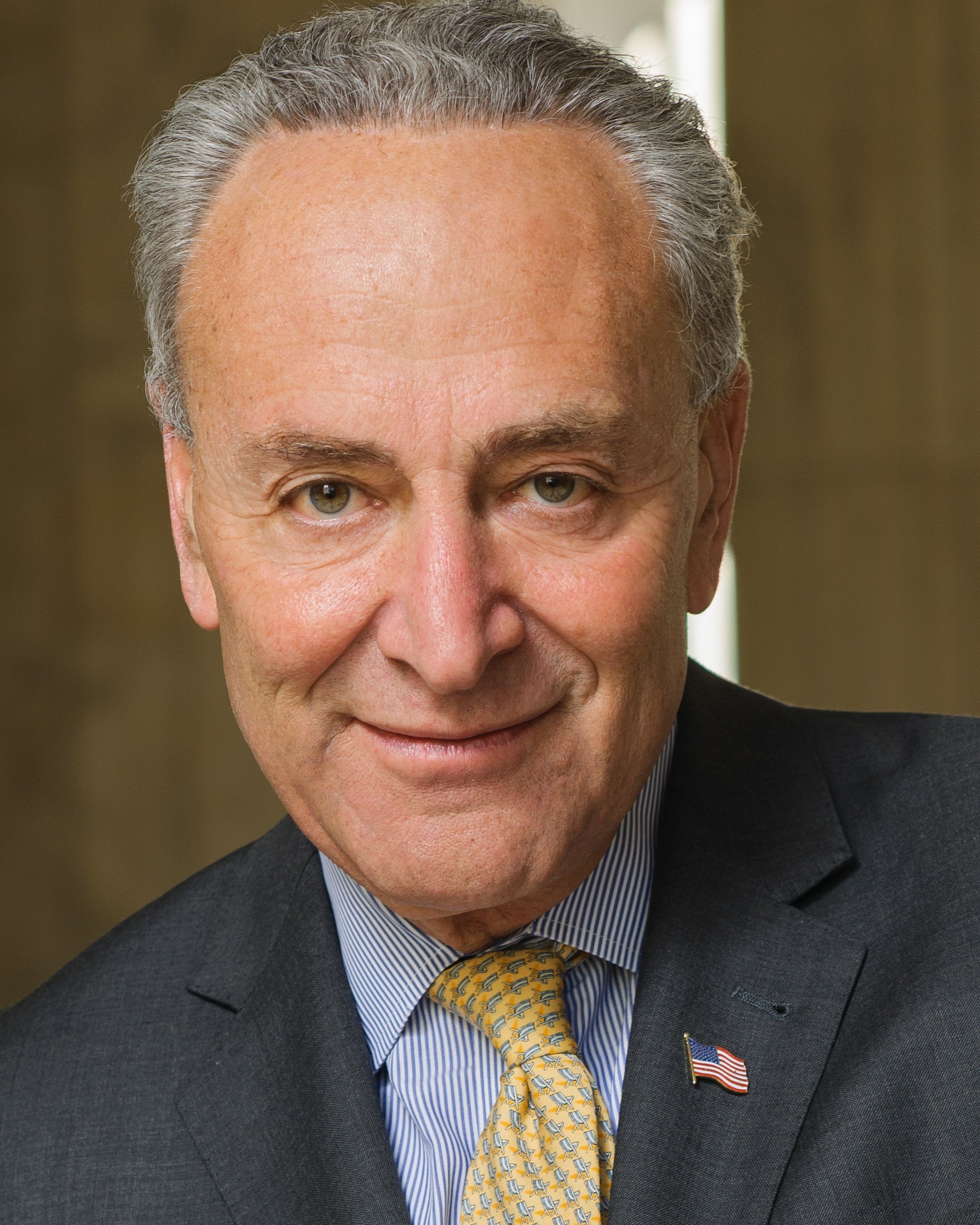
Chuck Schumer (D-NY)
Likely Senate Majority Leader
Official portraits, public domain: Jeffries, United States Congress, via Wikimedia Commons; Schumer, U.S. Senate Photographic Studio/Jeff McEvoy, via Wikimedia Commons.


| What I’m tracking | Prognosis |
|---|---|
| DFC and sister-agency budgets, FY2027 | Red |
| USAID’s return | Orange |
| Congressional visits to Venezuela | High |
| Venezuelan elections in 2027 | Orange |
The DFC budget
The Development Finance Corporation will likely receive a different-looking budget for FY2027, with significant budget shifts from when the work of the now-shuttered USAID was shifted to DFC, EXIM, USTDA and other U.S. agencies to enact the Administration’s “Trade Over Aid” policies[4]. From a budget of roughly $1 billion in FY2026[5], DFC and her sister agencies are likely to be more moderated in their spending. Prognosis: Red.
This novel way of using U.S. tax dollars to promote U.S. products and services abroad, favoring U.S. companies in implementing U.S. development goals abroad, and using trade as a way both to lower trade deficits and to meet development aid goals is working, and it has certainly stimulated the U.S. economy. However, since these resources came at USAID’s expense, Congress and the President will either have to come up with a solution that accommodates both, or claw back some of those funds for whatever a post-USAID looks like.
Second: USAID’s return
USAID is an agency established by U.S. law[6], and although it is under executive control, the President does not have the authority to dissolve it completely. Most of what we saw in the past two years lies under the President’s executive authority over government operations. Certainly USAID’s fortunes have waxed and waned under different administrations, and the organization has historically chafed as a “sister” agency to the Department of State. Under multiple administrations, our government has sought to align our development policies more closely with our foreign policies, which usually takes the form of subordinating the USAID Administrator to a cabinet-level office under the Secretary of State, the same way that the DIA, the Armed Forces and other government agencies fall under the Secretary of War.

There will need to be some kind of compromise. The Supreme Court has given the President broad powers to fire, furlough and dismiss federal employees[7], and simply “reopening” USAID will not do it. It will be a significant task that will require compromise on both sides. Prognosis: Orange. USAID will eventually return, but it will be different, and the way it carries out its mandate will be different. Don’t expect that Congress will be able to rehire all of those former USAID employees around the world, even if everyone let go wants to come back.
DFC restrictions on certain countries like Venezuela
Currently the DFC is prohibited from operating in Venezuela[5], but change is contemplated. A DFC return to Venezuela would be a boon for its growth-oriented economy by helping to back private investment in energy, infrastructure, consumer and commercial lending, transportation and agriculture, among other key sectors. There is pending legislation in the House to remove that obstacle[8], and it might pass in December, especially if Republicans are keen to demonstrate that they can still keep the economy growing strong. Clearly an emboldened Democratic Party will look to scrutinize agreements and deals, and will look to slow down the legislative and budgeting process.
Congressional visits to Venezuela
Finally, look to see a quick turnaround on Democrat-led congressional delegations to Venezuela to meet with government officials and political leaders, in what will be seen as a push to accelerate elections. Prognosis: Don’t worry. This is a bipartisan push, elections will happen in their time, and it makes little sense for Democrats to push for an accelerated timeline before Venezuela is ready for its legislative and presidential elections.


Congressional visit to Venezuela: High.
Elections in 2027: Orange. National Assembly elections are possible in December 2027; presidential elections are likely in 2028.
Sources
- Associated Press, Democrats win the US House and Senate (Nov. 4, 2026).
- Reuters, Hakeem Jeffries poised to become Speaker (Nov. 4, 2026).
- The Hill, Schumer exults over Democratic Senate (Nov. 4, 2026).
- U.S. Mission to the United Nations, Trade Over Aid.
- Congressional Research Service, IF11436: U.S. International Development Finance Corporation.
- U.S. Code, 22 U.S.C. 6563: Status of AID.
- NPR, Supreme Court allows Trump to resume mass federal layoffs (July 8, 2025).
- Congress.gov, H.R. 8974: To authorize the DFC to invest in Venezuela.
Views and forecasts are the author’s own and current as of November 4, 2026. Contact: sabinh@hintonstrategic.com. Author photo courtesy of Hinton Strategic Partners.